


Compliance
The National Compliance Centre (NCC) is committed to providing comprehensive compliance solutions to businesses and organizations across Pakistan. Our mission is to ensure that businesses comply with relevant regulations, standards, and best practices, thereby fostering a culture of responsible and sustainable business operations.
Pakistan: National and International Legal Framework
Download the comprehensive guide covering OSH, Human Rights and Labor Laws including the Constitution of Pakistan, National Laws (Human Rights, Labor Laws, Occupational Safety & Health), Provincial Laws post 18th Amendment, and International Conventions ratified by Pakistan.

Focused Sectors
Explore the specialized sectors within NCC that focus on the development and implementation of technical standards.
Traditional Sectors
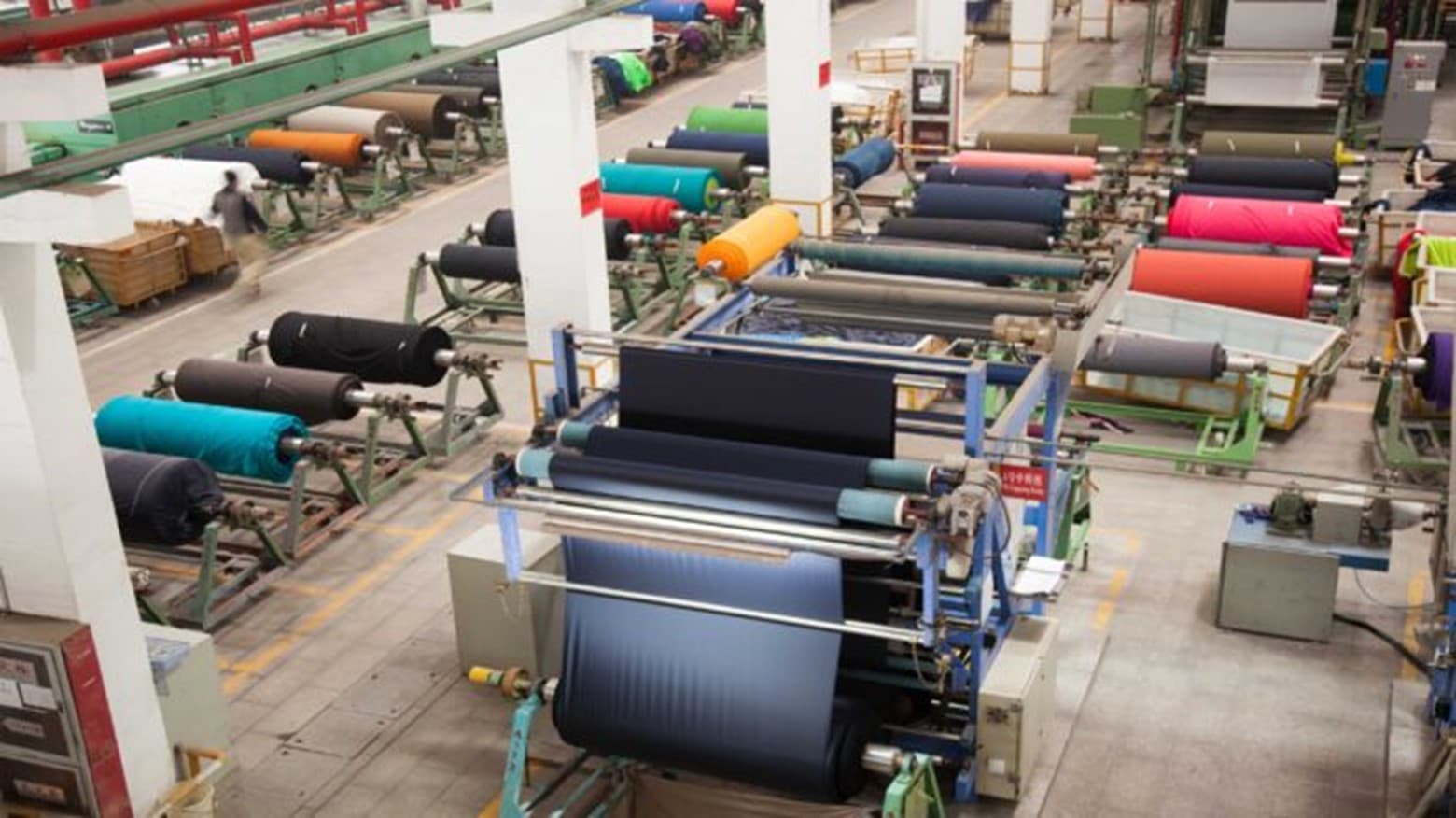
Textile & Apparel
The textile and apparel sector remains the cornerstone of Pakistan's export economy, consistently accounting for more than half of total export earnings. Major textile exports include bed linens, knitwear, woven garments, towels, cotton yarn, and ready-made garments.

Leather
The leather sector, though smaller in share, remains a significant traditional export industry. Exports include finished leather, leather garments, gloves, and footwear. The main destinations are in the European Union, United States, and Gulf countries.

Surgical Instruments
Surgical instruments are specialized tools meticulously designed for specific procedures and anatomical regions, with general surgery instruments forming the foundational toolkit used across nearly all operations for essential tasks like cutting, dissecting, grasping, holding, and retracting, exemplified by scalpels for incisions, Metzenbaum and Mayo scissors for delicate or heavy tissue, various forceps for grasping and clamping vessels, needle holders for suturing, and retractors to expose the surgical site.

Sports Goods
Sialkot, a key industrial city, is at the heart of this niche but globally recognized manufacturing cluster. Sialkot is a world leader in the production of hand-stitched footballs. The surgical instruments industry exports products to over 140 countries worldwide. Despite its international presence, the sector is hindered by informal manufacturing practices and a lack of global branding, which limits its ability to scale and command higher value.

Rice
Pakistan is a major rice exporter with multi-billion-dollar annual earnings, while its rice imports remain minimal and mostly sourced from China.

Gems and Jewellery (TS)
A highly underutilized sector, with exports currently contributing less than 1%, despite the high-value potential.

Marble & Minerals (TS)
The marble and minerals sector involves the extraction, processing, and distribution of natural stones and mineral resources. It supplies essential raw materials for construction, infrastructure, manufacturing, and interior décor, contributing significantly to industrial and real-estate development.
Development Sectors

Engineering Goods (incl. Auto Parts)
The engineering sector is a cornerstone of industrial development, specializing in the design, manufacturing, and maintenance of machinery, equipment, infrastructure, and technological systems. It supports key industries such as construction, automotive, energy, aerospace, and manufacturing by delivering innovative, efficient, and reliable engineering solutions. The sector emphasizes technological advancement, skilled workforce development, quality assurance, and compliance with international standards to enhance productivity, sustainability, and global competitiveness.

Processed Food & Beverages
Processed foods and beverages are products that have been altered from their natural state through methods like cooking, canning, freezing, or adding preservatives, flavorings, and sweeteners. They offer convenience, longer shelf life, and consistent taste but may contain higher levels of sugar, salt, and additives compared to fresh foods.

Footwear
The footwear sector of Pakistan is a growing and increasingly competitive industry that contributes significantly to exports, employment, and domestic consumption. Traditionally dominated by small and medium-sized enterprises, the sector has expanded to include modern manufacturing units capable of producing high-quality leather and non-leather footwear for global markets. Pakistan's strong leather base, particularly in cities like Lahore, Karachi, Sialkot, and Kasur, provides a natural advantage for producing premium leather shoes, boots, sandals, and safety footwear. In recent years, large brands and organized factories have upgraded their machinery and design capabilities, helping the industry compete with regional players. Despite its potential, the sector faces challenges including limited access to advanced design technologies, dependency on manual labor, and increasing global expectations related to compliance, sustainability, chemical safety, and traceability. Competition from countries like China, Vietnam, Indonesia, and Bangladesh also puts pressure on Pakistan to innovate and modernize. However, the increasing global demand for value-added footwear, safety shoes, and sports-related products presents a promising growth opportunity. With better investment in technology, skilled workforce development, sustainable materials, and improved supply chain compliance, Pakistan's footwear industry can strengthen its position in international markets and unlock significant economic potential.

Chemicals
The chemical sector is a vital industry that manufactures basic and specialty chemicals, including petrochemicals, fertilizers, pharmaceuticals, polymers, and industrial gases. It serves as a backbone for multiple sectors such as agriculture, manufacturing, healthcare, and construction by providing essential raw materials and advanced chemical solutions. The sector drives innovation through research and development, prioritizes sustainability by adopting green technologies, and adheres to stringent environmental and safety regulations to ensure responsible production and global competitiveness.

Meat & Poultry
Meat and poultry refer to animal-based foods, including beef, pork, lamb, chicken, and turkey, that are rich sources of protein, vitamins, and minerals. They can be sold fresh, frozen, or processed, and are commonly used in a wide range of culinary dishes worldwide.

Fruits & Vegetables
Fruits and vegetables are plant-based foods that are naturally rich in vitamins, minerals, fiber, and antioxidants. They can be consumed fresh, frozen, or processed, and form a fundamental part of a healthy diet, supporting overall nutrition and well-being.

Services Sector (Special focus on IT, Transport, Logistics & Tourism)
The IT sector focuses on developing, maintaining, and managing computer systems, software, and digital infrastructure. It drives innovation across industries through automation, data analytics, cloud computing, and emerging technologies like AI.
Thematic Areas
Explore the specialized thematic areas within NCC that focus on the development and implementation of technical standards.
Environment
The Environment Thematic Area focuses on promoting sustainable development and environmental compliance across Pakistan's industrial and trade sectors. It supports the integration of eco-friendly practices, pollution control measures, and resource efficiency within production systems to enhance environmental performance and align with national and international standards. Through research, policy support, and stakeholder collaboration, this thematic area works to strengthen environmental governance, encourage green innovations, and build capacity for industries to adopt cleaner and more sustainable technologies—contributing to a resilient and environmentally responsible economy.
Explore moreSustainability & Circularity
The Sustainability Thematic Area at the National Compliance Centre (NCC) focuses on mainstreaming sustainability across industrial and trade sectors through evidence-based policy interventions, strategic partnerships, and institutional capacity-building. It promotes the integration of sustainable business models, circular economy frameworks, and corporate responsibility mechanisms within national compliance systems. By fostering innovation, promoting low-carbon transitions, and supporting sustainable value chains, this thematic area contributes to enhancing Pakistan's global competitiveness and environmental integrity. It also facilitates stakeholder engagement and international collaboration to strengthen policy coherence and ensure alignment with the Sustainable Development Goals (SDGs), Paris Agreement commitments, and national green growth priorities—laying the foundation for a resilient and inclusive economy.
Explore moreProductivity & Quality Assurance
The Productivity and Quality Assurance Thematic Area strengthen national capacity to improve organizational performance, operational efficiency, and quality management practices. It promotes the adoption of modern productivity tools, international quality standards, and certification systems to ensure Pakistani industries remain competitive in the global value chain. By providing technical support, policy guidance, and capacity-building initiatives, this thematic area helps businesses streamline production systems, enhance product reliability, and achieve compliance with both national and international benchmarks. Through collaboration with industry stakeholders and regulatory bodies, it drives innovation, standardization, and excellence, contributing to a more productive, quality-driven, and export-oriented economy.
Explore moreIndustrial Supply Chain
The Industrial Supply Chain is a critical thematic area within the National Compliance Centre (NCC), focusing on ensuring efficiency, transparency, and regulatory adherence across all stages of production and distribution in national industries. It encompasses the entire network of entities suppliers, manufacturers, logistics providers, and distributors that work together to deliver goods and services from origin to end-user. In today's rapidly evolving industrial landscape, effective supply chain management is not only essential for competitiveness but also for compliance with national and international standards. The NCC's focus on the industrial supply chain aims to strengthen oversight mechanisms, promote ethical sourcing, enhance traceability, and ensure alignment with environmental, safety, and quality regulations. Through the integration of digital monitoring systems, policy frameworks, and stakeholder collaboration, the NCC seeks to foster a compliant and resilient industrial ecosystem. This thematic area supports national objectives such as sustainable industrialization, economic diversification, and improved trade facilitation, while mitigating risks associated with non-compliance, corruption, and inefficiencies in supply networks. In essence, the Industrial Supply Chain thematic area serves as a cornerstone for ensuring that industrial growth is responsible, transparent, and compliant with national priorities and global best practices.
Explore moreOSH, Human Rights & Labour Rights
This area provides policy guidance and research-based recommendations to enhance compliance with local and international standards (EU, ISOs, SDGs, CSDDD, DPP, ILO conventions). It bolsters institutional governance, fosters safe and ethical workplaces, and drives a resilient, competitive economy by prioritizing workers' rights, safety, and well-being across Pakistan's industries.
Explore moreSectoral Committees
Sectoral Committees: The NCC aims to establish a robust framework to ensure compliance with laws, regulations, and ethical standards across the export sector. This roadmap outlines the objectives, vision, and steps to create a functional and impactful NCC that supports national growth in exports, transparency, and governance. It serves as an entity to navigate the complexities of global standards and compliance requirements, with the aim of streamlining these compliances and international standards across various manufacturing and services sectors. To steer the NCC towards achieving its objectives, the NCC has constituted the following sectoral committees, as approved by the National Compliance Advisory Council (NCAC). Textile Sector Meat & Dairy Surgical Chemical Leather (Tanneries, Garments, Gloves), Sports Goods, and Footwear Gems & Jewelry Agriculture Food and Vegetable, Rice, Dry Fruit, Flexible Packaging and Seed Association IT, Engineering, Shipping, and Corrugated Cartons Manufacturers
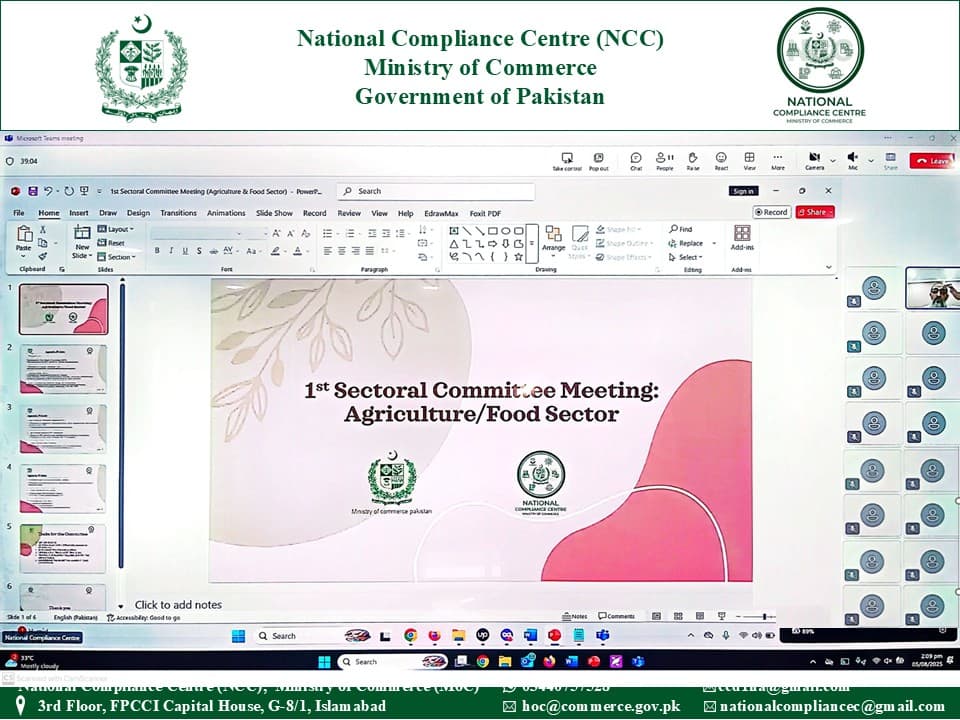
Food and Agriculture Sector Sectoral Meeting
Sectoral Committee Meeting for the Agriculture/Food Sector On 5th August 2025, the National Compliance Centre (NCC) convened the 1st Sectoral Committee Meeting for the Agriculture/Food Sector, covering key sub-sectors including vegetables, rice, dry fruits, flexible packaging, and seed associations. The session was held virtually and led by Dr. Nabeel Amin (HoC, NCC) along with Dr. Shahbaz Ali Khan, Mr. Hamza Irshad, and Ms. Saba Zafar from the NCC team. Key Focus Areas: * Presentation of Sectoral Committee TORs * Vision & Priority-Setting * Compliance Gap Analysis & Strategy * Stakeholder Engagement & Initial Survey * Digital Product Passport (DPP) Introduction * Capacity Building Needs Assessment * KPIs & Timeline for first Quarter * Next Steps and Action Items A major highlight was the strategic dialogue on collaboration between NCC and NCCI to empower SMEs—helping them become export-ready by addressing gaps in accreditation, ESG compliance, and quality enhancement. The session concluded with an emphasis on addressing sectoral challenges, including mechanization, value addition, and sustainability. Suggestions from FLEXPAC (received via email on 6th August) will also be integrated into the action plan.
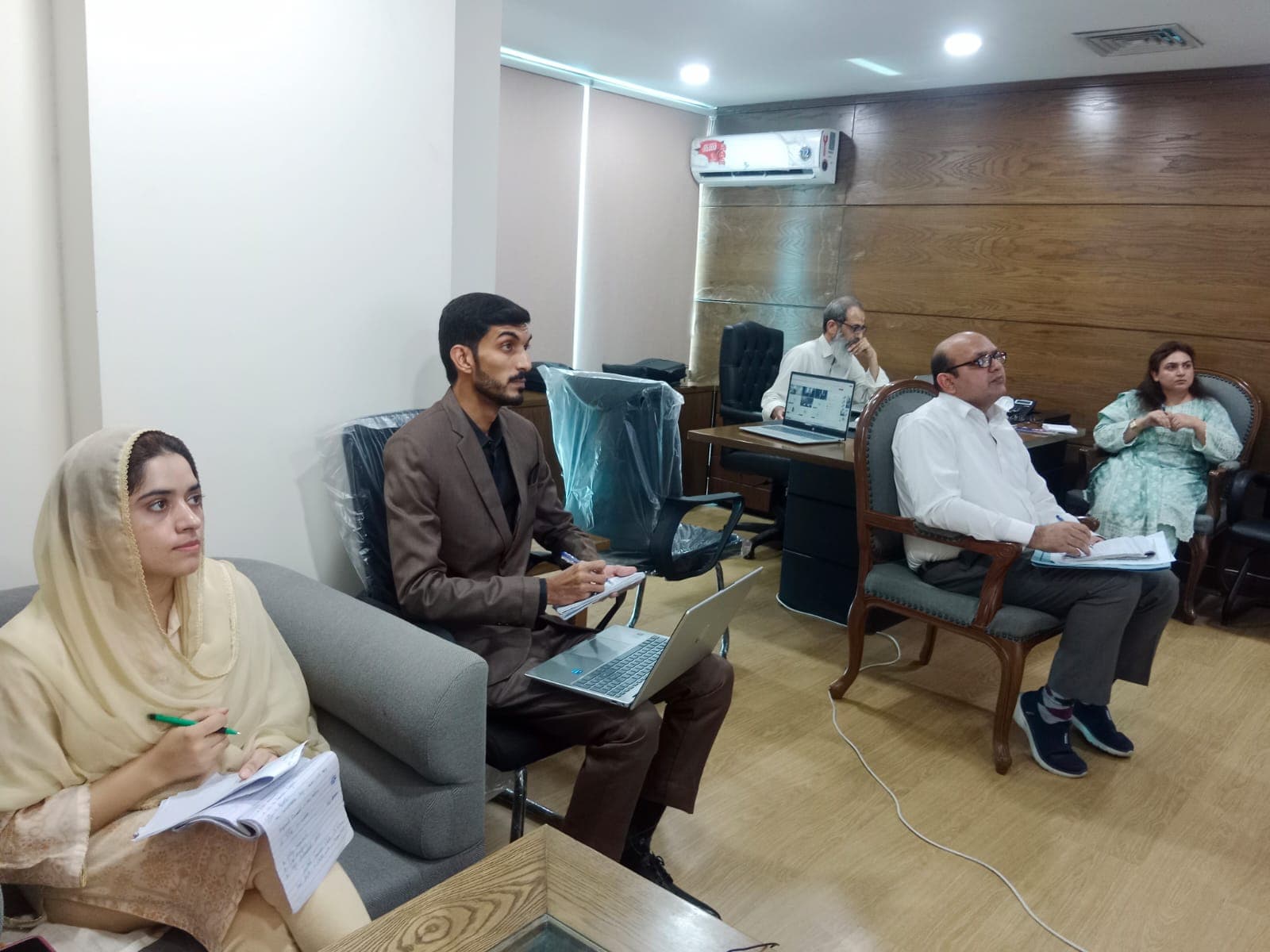
Meat and Dairy Sector Sectoral Meeting
1st Sectoral Committee Meeting for the Meat and Dairy Sector The National Compliance Centre (NCC) held the 1st Sectoral Committee Meeting for the Meat and Dairy Sector on 30 September 2025, under the chairmanship of Dr. Shahbaz Ali Khan. The meeting focused on strengthening institutional coordination, assessing sectoral compliance requirements, and establishing a structured mechanism for stakeholder engagement. Participants discussed key regulatory challenges, data gaps, and the need for harmonized approaches to support SMEs in meeting domestic and international market standards. The session concluded with a joint commitment to undertake a comprehensive GAP analysis, nominate sectoral focal persons, and prioritize both short-term GCC compliance measures and long-term legislative reforms to enhance the sector's competitiveness.
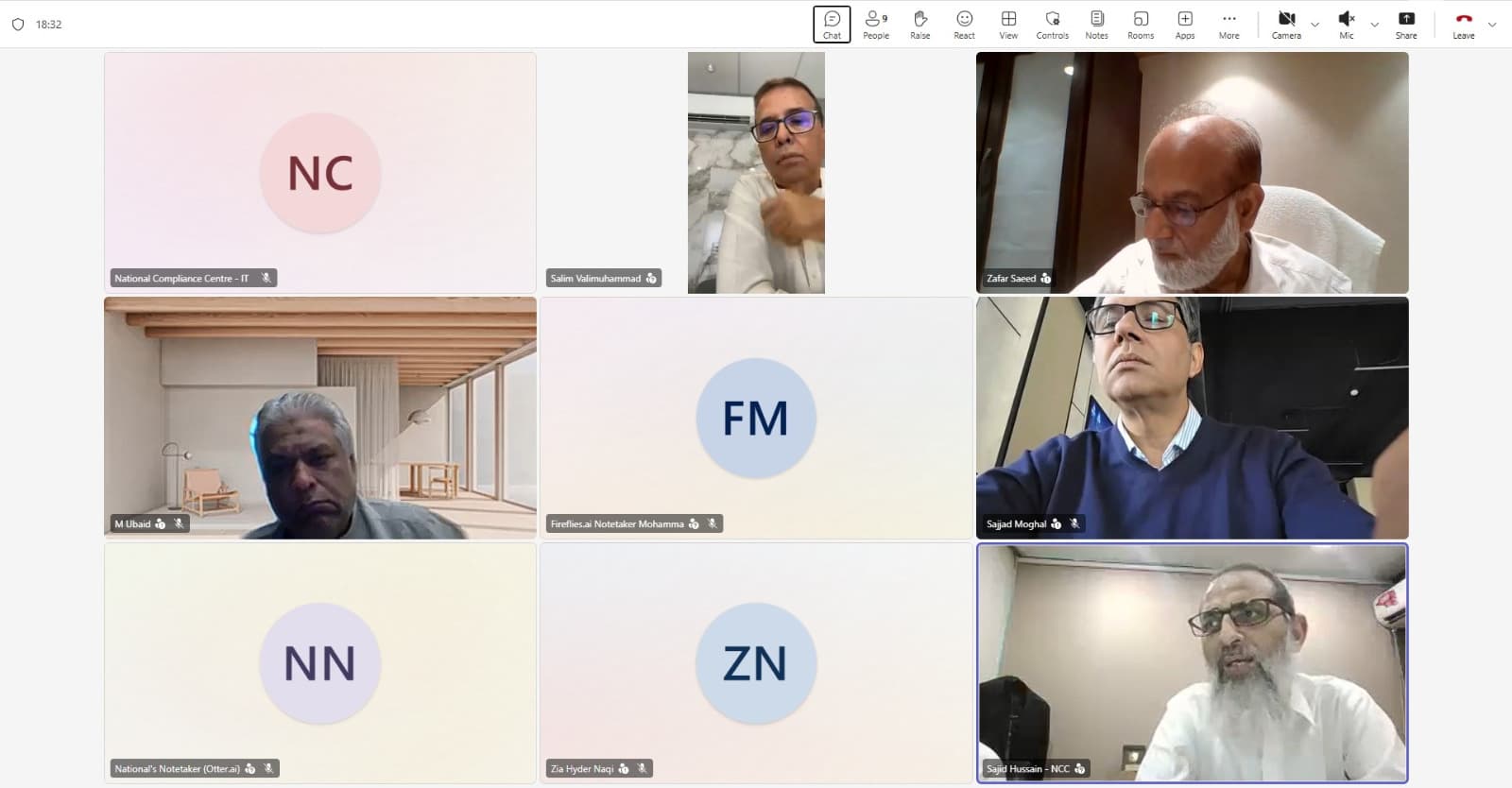
1st On Chemical
1st Sectoral Committee Meeting on the Chemical Sector On 6th October 2025, the National Compliance Centre (NCC) convened the 1st Sectoral Committee Meeting on the Chemical Sector. The session focused on strengthening collaboration between NCC and key associations from the chemicals, paints, and polymers industries. Participants were briefed on NCC's sectoral committee framework and its strategic importance for future compliance alignment. The meeting featured detailed discussions on improving coordination with chemicals, paints, and polymers-related associations. Key agenda points included the development of a sector-specific roadmap, collaboration for gap analysis, capacity-building initiatives, and the formulation of policy recommendations to support industry competitiveness and compliance with global standards. During the closing remarks, Mr. Sajid Hussain expressed gratitude to all participants for their active engagement and valuable contributions. He reaffirmed the importance of continued cooperation to advance compliance and standardization within the sector. He also announced that sectoral committee meetings will now be held monthly to ensure consistent progress and meaningful industry-wide impact.
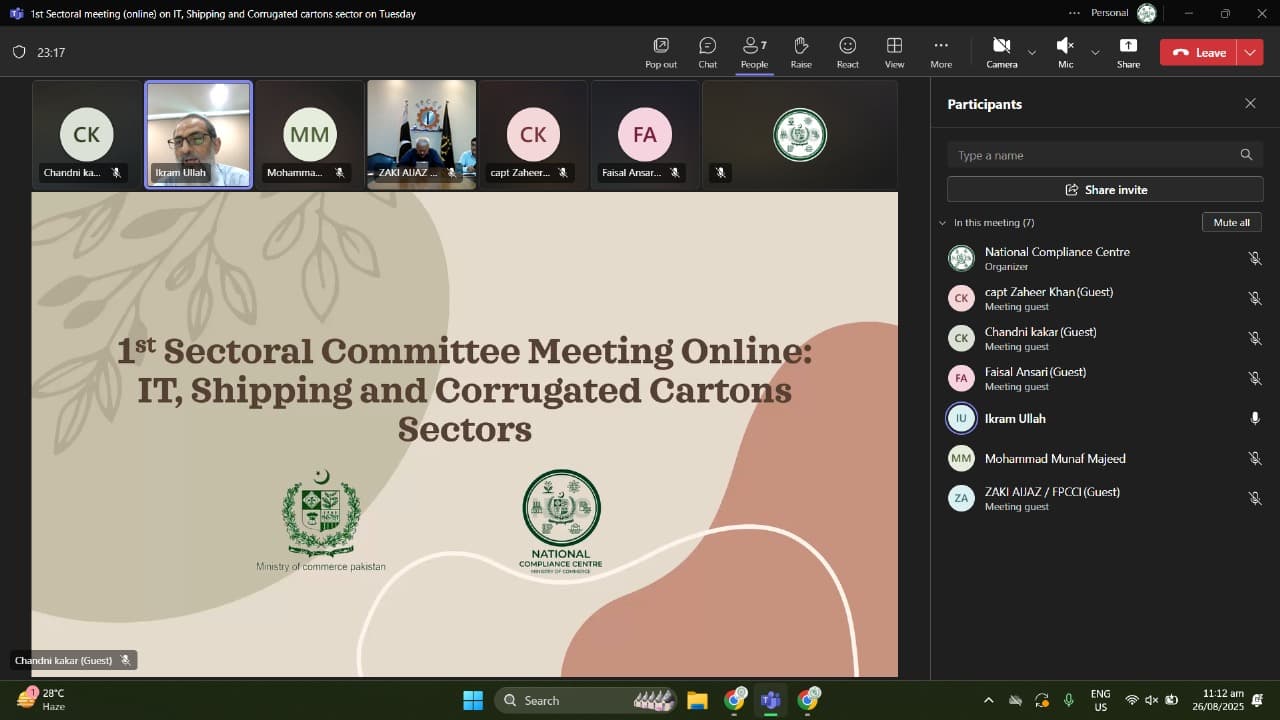
1st Sectoral Committee – IT, Shipping, and Corrugated Cartons
1st Sectoral Committee Meeting on IT, Shipping, and Corrugated Carton Packaging On 27th August 2025, the National Compliance Centre (NCC), Ministry of Commerce, held the 1st Sectoral Committee Meeting on IT, Shipping, and Corrugated Carton Packaging, chaired by Dr. Nabeel Amin. The meeting focused on strengthening collaboration with key sectors through compliance enhancement, sectoral gap analysis, and aligned policy development. Participants included representatives from NCC, PASHA, the All Pakistan Shipping Association, and APCCMA. Key discussions addressed shipping-sector compliance challenges, the need for a national packaging compliance portal, industry skill and quality gaps, and IT-sector readiness for European standards such as GDPR. The importance of establishing Common Facility Centres (CFCs), improving container auction procedures, and integrating compliance into cybersecurity training was also highlighted. Dr. Nabeel Amin appreciated the inputs and affirmed that NCC will prioritize gap analysis, policy coordination, and sector-specific capacity-building initiatives. All members agreed to continue collaborative efforts to strengthen Pakistan's compliance ecosystem and enhance global competitiveness across the IT, shipping, and packaging industries.
2nd Sectoral Committee – Shipping
2nd Sectoral Committee Meeting on the Shipping Sector On 8th September 2025, the National Compliance Centre (NCC), Ministry of Commerce, held the 2nd Sectoral Committee Meeting on the Shipping Sector, chaired by Mr. Ikram Ullah (Thematic Expert, NCC). The meeting aimed to enhance collaboration with the shipping industry, focusing on compliance strengthening, sectoral gap analysis, and policy coordination. Participants included Mr. Ibraheem Zaheer Khan (All Pakistan Shipping Association, APSA) and Ms. Arooj Bashir (NCC). The discussion covered the strategic importance of Pakistan's shipping sector, national and international regulatory requirements, sectoral compliance challenges, and delays in container approvals that hinder operational efficiency. The need for clear KPIs, a structured compliance framework, and stronger coordination mechanisms with NCC was emphasized. APSA committed to sharing a consolidated document with NCC, including sectoral issues, compliance details, and strategic recommendations within one week. The meeting concluded with a mutual commitment to collaborate on strengthening compliance systems and supporting the sustainable growth of Pakistan's shipping sector.
2nd Sectoral Committee – IT
2nd Sectoral Committee Meeting on the IT Sector On 3rd September 2025, the National Compliance Centre (NCC), Ministry of Commerce, held the 2nd Sectoral Committee Meeting on the IT Sector, chaired by Mr. Ikram Ullah (Thematic Expert, NCC). The meeting focused on advancing collaboration with the IT industry, particularly in compliance preparedness, sectoral gap analysis, and policy alignment. Participants included Mr. Mohammad Munaf Majeed (PASHA) and Ms. Arooj Bashir (NCC). Key discussions covered mandatory IT compliance areas such as GDPR, cybersecurity standards (ISO 27001, NIST, SOC 2), intellectual property, digital trade regulations, cloud service compliance, and ESG requirements. Mr. Munaf emphasized the IT sector's role as a knowledge economy and highlighted the need for stronger product, solution, and service compliance frameworks. PASHA committed to submitting a comprehensive document to NCC within one week, outlining sectoral needs and recommendations. The meeting concluded with a shared commitment to strengthening Pakistan's IT compliance ecosystem and enhancing the compliance readiness and international standing of Pakistan's IT sector.
Leather, Footwear & Sports Sector
1st Sectoral Committee Meeting (Leather, Footwear & Sports Sector) The 1st Sectoral Committee Meeting (Leather, Footwear & Sports Sector) was held online on 25th July 2025, chaired by Dr. Nabeel Ameen, to strengthen collaboration between the National Compliance Centre (NCC) and the sector. The agenda included discussions on NCC & NCAC priorities, compliance obligations for SMEs, and strategies to support industry alignment with national standards. Key outcomes included agreement on conducting sectoral gap analysis, developing collaborative policy frameworks, and appointing coordination focal points. All members are committed to mutual efforts in driving sustainable growth and compliance within the leather, footwear, and sports industries. All committee members expressed a strong commitment to working together for the national industrial interest. The meeting concluded with a shared vision to chart a progressive path forward through cooperation, aligned strategies, and sustainable compliance initiatives that support industry growth.
Surgical Sector
Sectoral Committee Meeting on the Surgical Sector The Sectoral Committee Meeting on the Surgical Sector was held online on 29th July 2025, bringing together key stakeholders to align on national compliance priorities. The discussion focused on the ongoing agendas of the National Compliance Centre (NCC) and the National Compliance Advisory Committee (NCAC), alongside a detailed review of the proposed agenda for the first official meeting of the Surgical Sector Committee. Special emphasis was placed on identifying and addressing the compliance obligations of SMEs, with the aim of building a more supportive and structured compliance ecosystem for small and medium enterprises. The meeting also explored opportunities for collaboration on sectoral gap analysis, policy development, and the appointment of dedicated coordinators to drive sectoral progress. Participants agreed on a forward-looking approach to strengthen compliance capacity, improve policy coherence, and enhance industry readiness for both domestic and international standards. This session marked an important step in charting a coordinated roadmap for the surgical sector's sustainable growth and global competitiveness.
Textile Sector
1st Sectoral Committee Meeting – Textile Sector | National Compliance Centre (NCC) We're excited to share that the National Compliance Centre (NCC) successfully held its 1st Sectoral Committee Meeting on the Textile Sector on 3rd November 2025, bringing together leading industry associations, compliance experts, and international partners on a single national platform. Chaired by Dr. Nabeel Amin HOC & PD NCC, the session marked a pivotal step towards building a Unified National Compliance Framework — integrating OSH, environmental, and social compliance efforts across Pakistan's industrial sectors. The discussion featured valuable contributions from representatives of PRGMEA, APTMA, PTC, PHMA, NEECA, PCGA, PTEA, TMA, WWF, ILO, GIZ and others, all united under the shared vision of strengthening Pakistan's compliance ecosystem. The meeting concluded with a clear way forward — enhancing traceability, capacity building in compliances, conformance to ESG frameworks, SME development, and partnerships with international agencies like ILO, GIZ, and WWF — reaffirming NCC's role as the national convergence hub for compliance policy, advocacy, and coordination. This milestone sets the foundation for a collaborative, transparent, and harmonized compliance ecosystem that will help Pakistan's industries meet global supply chain standards efficiently and sustainably.